Introduction
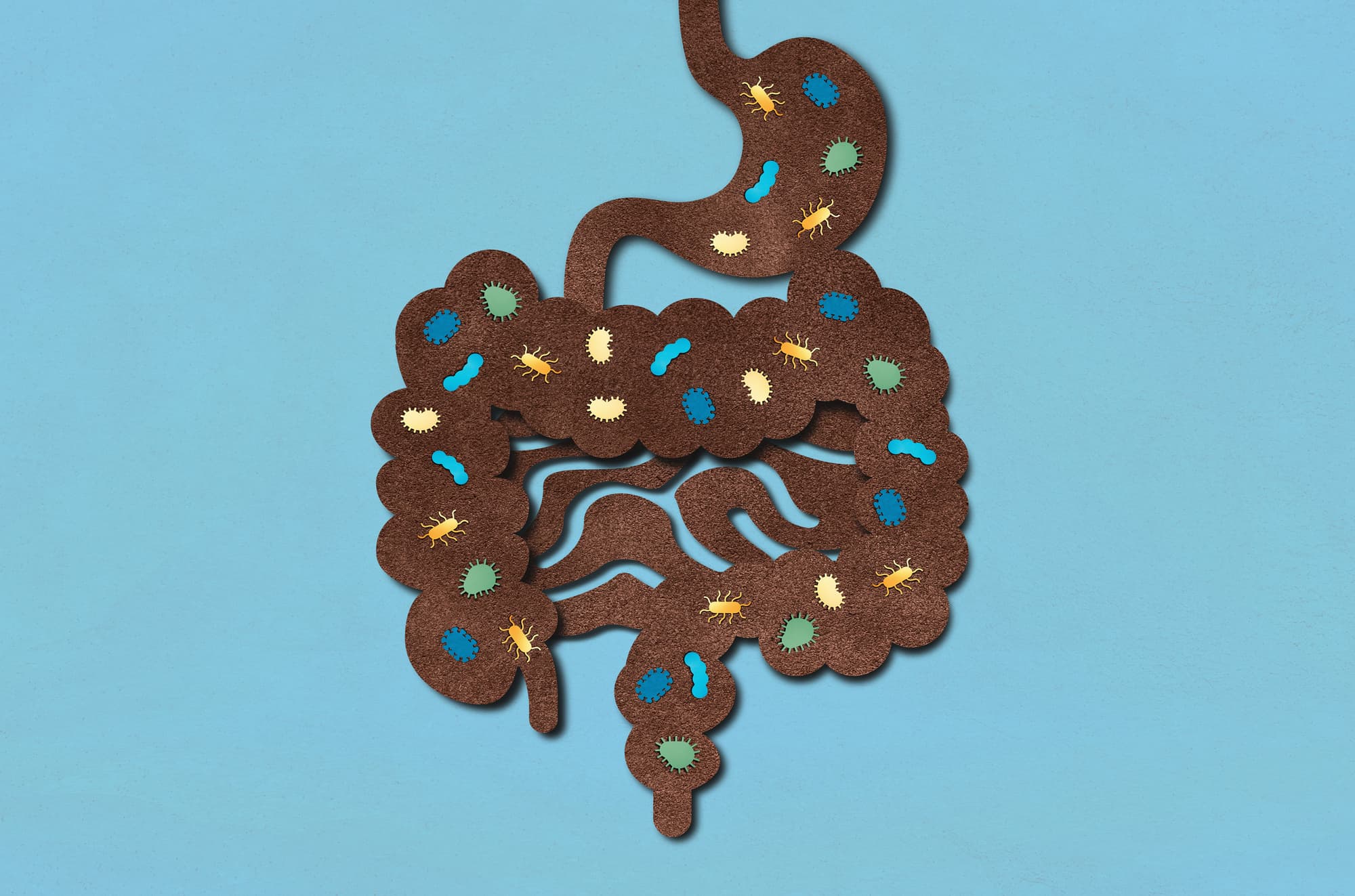
Most people think of digestion as a simple mechanical process — you eat, your body absorbs nutrients, and the rest passes through. But inside your digestive tract lives an entire ecosystem of microbes — trillions of bacteria, fungi, and other microorganisms that shape nearly every aspect of your health, from immunity to metabolism. Collectively, they’re known as your gut microbiome.
Over the past decade, research has revealed that the composition of your gut bacteria may directly affect your ability to lose weight and keep it off. For many of my patients, improving gut health has been the missing piece when traditional calorie-counting or exercise alone didn’t work. Let’s explore how the microbiome connects to metabolism, hunger, and long-term weight regulation.
The Gut–Metabolism Connection
Your gut isn’t just a digestive organ — it’s a metabolic control center. The bacteria living in your intestines help break down complex carbohydrates, extract energy from food, and produce short-chain fatty acids (SCFAs) like butyrate and propionate, which influence how efficiently your body stores or burns fat.
When the gut microbiome is balanced — meaning there’s a healthy ratio of beneficial to potentially harmful species — these metabolites help regulate blood sugar, reduce inflammation, and support insulin sensitivity. When it’s imbalanced, the opposite can occur: inflammation increases, metabolism slows, and appetite hormones become dysregulated.
How Gut Bacteria Affect Weight Regulation
Research has shown that people with obesity often have lower microbial diversity in their intestines. This means fewer species, less metabolic flexibility, and a reduced ability to extract nutrients efficiently. Certain bacteria are associated with leaner body types because they enhance fat oxidation and improve insulin signaling.
In particular, species like Akkermansia muciniphila and Bifidobacterium longum are linked to improved metabolic health. They help maintain the gut lining, regulate inflammation, and even influence how many calories your body extracts from food.
When your gut microbiome is disrupted — often by ultra-processed foods, antibiotics, or chronic stress — it can lead to dysbiosis: an imbalance that contributes to cravings, bloating, fatigue, and stubborn weight gain.
Gut Health and Appetite Hormones
Your gut communicates directly with your brain through the gut–brain axis. This pathway uses hormones like ghrelin (which signals hunger) and leptin (which signals fullness). A balanced microbiome helps regulate these signals so you eat when you’re truly hungry and stop when you’re satisfied.
When gut health declines, leptin resistance can develop — meaning your brain doesn’t “hear” the fullness signal. As a result, you may feel hungrier, crave more sugar, and store more body fat, even when eating the same number of calories.
How Inflammation Disrupts Metabolism
Chronic, low-grade inflammation — often driven by poor gut health — can impair insulin sensitivity and slow metabolic rate. An inflamed gut also allows small amounts of bacterial toxins (like lipopolysaccharides) to enter the bloodstream, triggering systemic inflammation. This can contribute to fatigue, water retention, and difficulty losing weight.
Improving gut integrity with fiber, probiotics, and anti-inflammatory foods can reduce this burden and help your metabolism operate more efficiently.
Foods That Support a Healthy Microbiome
- Prebiotics: Foods that feed beneficial bacteria, such as garlic, onions, asparagus, bananas, oats, and flaxseed.
- Probiotics: Live bacteria found in yogurt, kefir, sauerkraut, kimchi, miso, and fermented vegetables.
- Polyphenols: Compounds in colorful plant foods (berries, green tea, olive oil) that act as natural fertilizers for good bacteria.
- Fiber-Rich Foods: Especially from vegetables, beans, and whole grains, to increase microbial diversity and regularity.
Habits That Help (or Hurt) Gut Health
- Do: Eat a wide variety of plants — aim for 30+ different types per week.
- Do: Prioritize sleep, as circadian disruption changes gut bacterial composition.
- Do: Manage stress — cortisol spikes can alter microbial balance.
- Avoid: Frequent use of antibiotics unless medically necessary.
- Avoid: Excess alcohol, artificial sweeteners, and ultra-processed foods.
Can Gut Health Influence Weight Plateaus?
Yes. Many people hit a weight loss plateau not because they’re eating too much, but because their gut isn’t efficiently processing nutrients. Dysbiosis can affect thyroid hormone activation, fat absorption, and blood sugar control — all factors that determine how your metabolism responds over time.
Improving gut health often helps break through stubborn plateaus by restoring hormonal balance and improving nutrient signaling to the brain.
Practical Gut Reset Tips
- Start your morning with warm water and lemon to stimulate digestion.
- Include one fermented food daily, like yogurt or kimchi.
- Rotate your fiber sources to keep bacteria diverse and active.
- Stay hydrated — water supports peristalsis and microbial balance.
Final Thoughts
Your microbiome may be invisible, but its influence is anything but. A healthy gut helps regulate hormones, reduce inflammation, stabilize blood sugar, and keep your metabolism running efficiently. Focusing on gut health isn’t an “extra” step — it’s central to sustainable weight management.
When you nourish your gut, you nourish your whole body. Think of it as an ally — one that can help you feel lighter, more energized, and more in tune with your natural appetite and metabolism.
Disclaimer: The information provided on this website, including blog posts, is for general educational and informational purposes only and is not intended as medical advice. As a board-certified physician, I aim to share insights based on clinical experience and current medical knowledge. However, this content should not be used as a substitute for individualized medical care, diagnosis, or treatment. Always consult your own healthcare provider before making any changes to your health, medications, or lifestyle. marmean and its affiliates disclaim any liability for loss, injury, or damage resulting from reliance on the information presented here.